Two Creative Ways to Catalogue Your Emotions in Art Therapy

Art therapy is a powerful method for emotional expression and healing. One important aspect of art therapy is cataloguing emotions, which helps you understand what you’re feeling and why. A clearer view of your emotions can lead to better emotional health. Two creative methods that I use in my art therapy practice are: the Emotional Colour Wheel and the Emotional Index. Not only do both techniques encourage self-reflection, but they also enhance your emotional awareness and understanding. Let's dive into each method in detail.

The Emotional Colour Wheel
The Emotional Colour Wheel is a dynamic tool that uses colors to categorize emotions. Each section of the wheel symbolizes a different emotion, which you can color-code. For example, you might link blue to sadness, red to anger, and yellow to happiness.
After assigning colors, it's helpful to choose symbols or imagery to represent those feelings. The symbols could range from a storm cloud for sadness to a sun for joy, and imagery could include different line types. By creating this wheel, you gain a visual representation of your emotions, making it easier to recognize what you are feeling and the nuances each feeling contains.
In session I would provide a colour wheel with 6-8 wedges, which you can further divide if you want to catalogue more emotions. I would then provide crayons, pencil crayons, or paint sticks to colour the emotions, and you can either draw or use stickers to add any symbols. This methods requires a bit more care and attention to detail as the wedges contain minimal space, therefore the next cataloguing type - the emotional index - may be better suited for some clients.

The strength of this wheel lies in its adaptability. You can revisit it every time you experience strong emotions, which helps you identify patterns over time. This practice encourages self-reflection and can spark insightful discussions during therapy sessions. Imagine the conversations that could stem from your colourful, symbolic representations!
The Emotional Index
The Emotional Index takes a different approach. This method requires you to divide a sheet of paper into six boxes, each signifying an emotion relevant to your current mental state. In each box, you fill in the emotion and sketch a symbol or image that shows how that emotion appears in your life.
For example, if you're feeling anxious, you might draw a tangled, chaotic line. Conversely, if joy is filling your heart, you could illustrate a blooming flower. The images you draw or the colours you use can help reveal patterns linking your emotions, or commonalities in the way you process emotions.
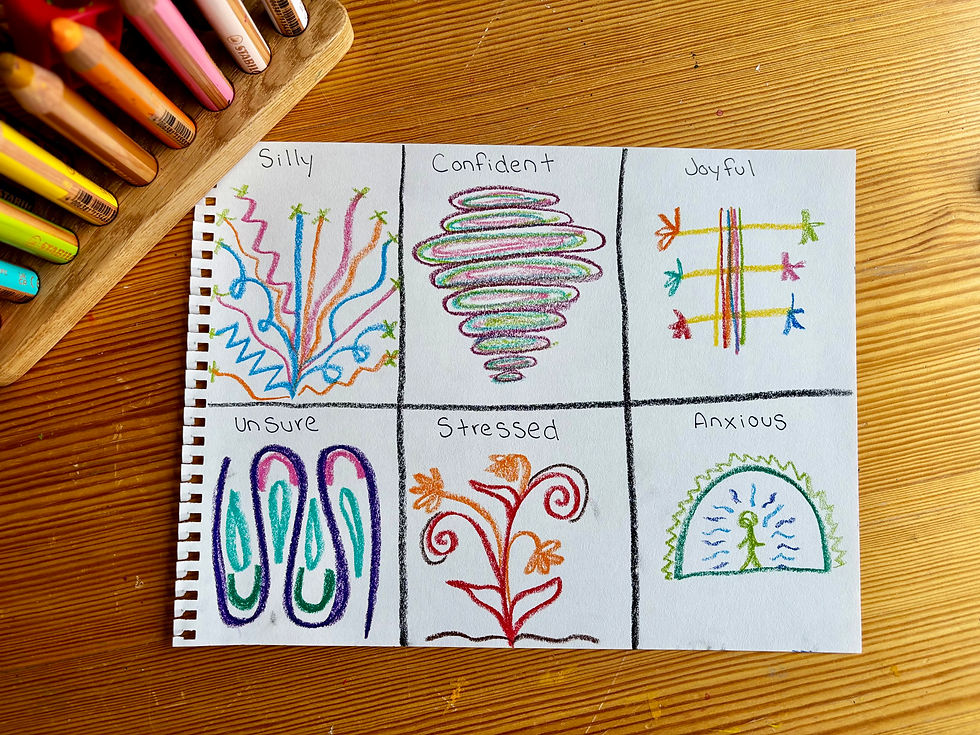
Creating an Emotional Index is a fantastic way to organize your feelings. The act of drawing helps you process emotions, making them easier to articulate later. You can also keep your Emotional Index as a record of your emotional journey, allowing you to track shifts in your feelings over time. Many individuals find that regularly revisiting their Emotional Index reveals patterns in their emotional states that they never noticed before.
Closing Thoughts
Both the Emotional Colour Wheel and the Emotional Index offer unique and engaging methods to catalogue your emotions in art therapy. These techniques not only improve your understanding of your feelings but also encourage self-expression through art. By visually exploring your emotions, you connect more deeply with your inner self, which can be incredibly empowering. I often engage one of these methods during the first art therapy session with new clients so that I can get a better understanding of their current emotional landscape. Reach out today to book your first session and get started on your art therapy journey.


Comments